
Mechanical Thrombectomy
Rotate. Agitate. Aspirate.
THE CHALLENGE
Distal Embolization
Downstream debris occurs in 100% of atherectomy cases and 55% of peripheral interventions.1
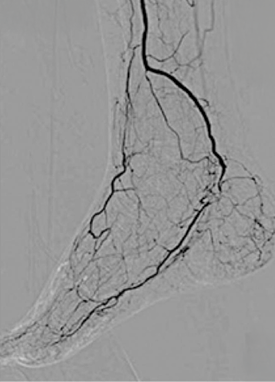
Angiography
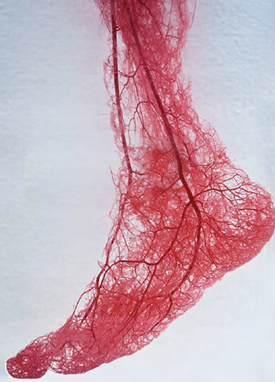
Microvascular Reality
Figure 1: Angiography shows only a fraction of the leg’s vessels, missing the microvasculature that drives perfusion and complications.
For illustrative purposes only. Images not intended to represent the same patient anatomy.
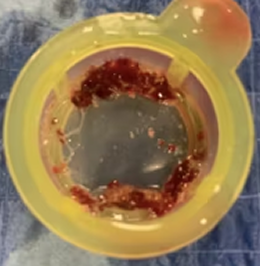
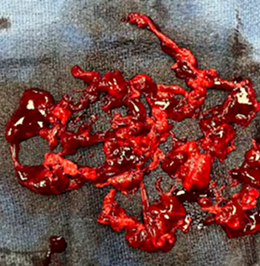
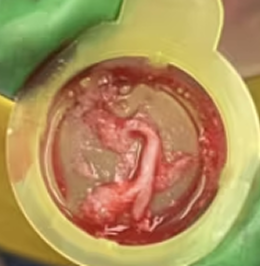
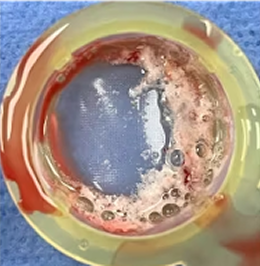
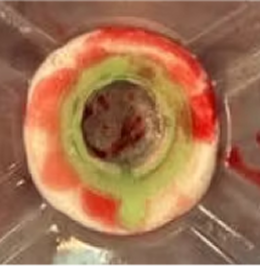
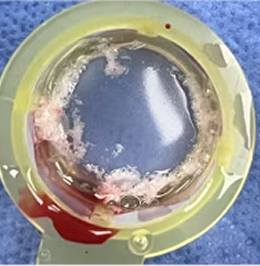
Embolic Material Retrieved in 98.1%
of Published Cases Utilizing RoVo™
(n=104)2
Post-Laser Atherectomy
Primary CTO Thrombectomy
Post-Directional Atherectomy
Post-Orbital Atherectomy
Post-Balloon/ Stent
Post-Rotational Atherectomy
In the referenced publication, RoVo was used for removal of thrombus and embolic material during physician-directed peripheral vascular interventions.
THE SOLUTION
Vortex-Assisted Aspiration
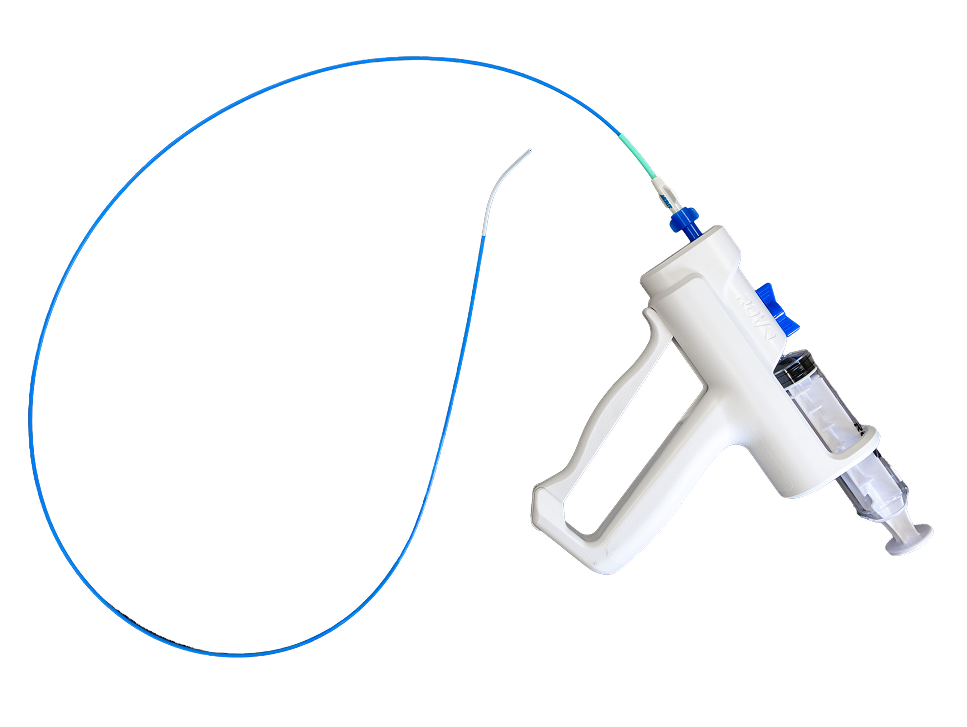
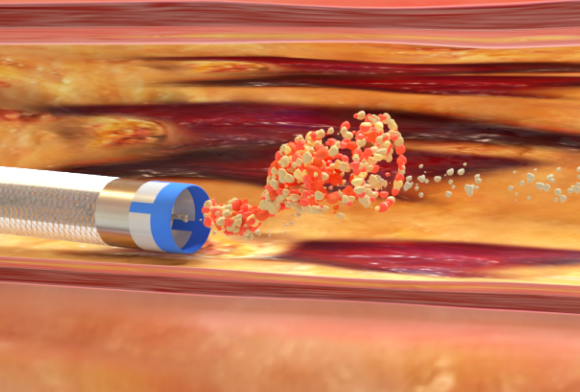
Deployed after primary treatment, the RoVo System combines rotational agitation with active aspiration to mobilize and evacuate embolic debris.


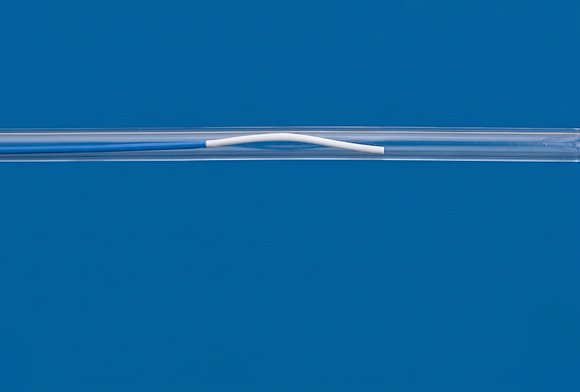
The patented RoVo “Vortex” draws embolic material toward the center for more efficient aspiration
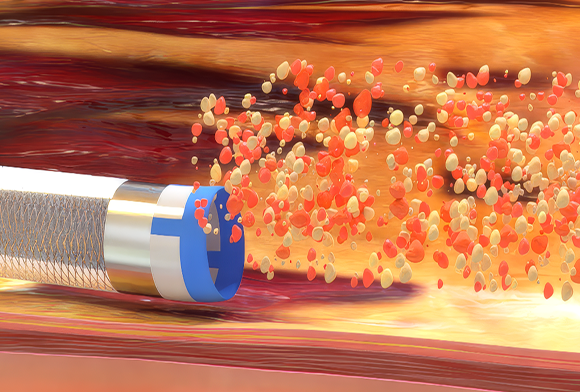
Click images to learn more


The catheter’s curved tip further optimizes debris engagement

Hover over images to learn more
ORDERING INFORMATION
| Model | Length | OD | ID | Tip Shape | |
|---|---|---|---|---|---|
| RoVo™ Catheter | VRG7513-B3 | 100 cm | 6F (2.0 mm) | 0.054 in | MPA1 |
| Driver | RVHD | – | – | – | – |
Sold in 5 packs
Find out more about RoVo™
- Shammas N, et al. Preventing Lower Extremity Distal Embolization Using Embolic Filter Protection: Results of the PROTECT Registry. J Endovasc Ther. 2008;15:270–276.
- Davis T, et al. Temporary Occlusion Embolectomy: A Cost-Effective Approach to Distal Embolic Protection in PAD. Vasc Dis Manag. 2026;23(3):E29-E39.
The RoVo™ Mechanical Thrombectomy Device is indicated for the removal of soft emboli and thrombi from vessels in the peripheral vasculature.